43 natural claims on food labels
Food labelling and packaging: Nutrition, health claims and supplement ... You have to follow certain rules if you want to make a nutrition claim (for example, low fat) or a health claim (for example, calcium helps maintain normal bones). You cannot claim or imply that... The Pitfalls of Making Free Claims in Food Labeling | Natural Products ... FDA's policy on natural allows the claim only when the food contains no added colors, artificial flavors or other synthetic substances. This implied "free" claim is based on which ingredients are used in the product and does not require analysis showing zero. Natural claims must be used carefully.
A Guide to FDA Regulation of Food Labeling Claims | Natural Products ... Among the FDA-regulated claims commonly declared on food labels are nutrient-content claims, health claims, qualified health claims and structure/function claims. Additionally, FDA has authority over claims related to gluten content, genetically modified organisms (GMOs) and "natural."
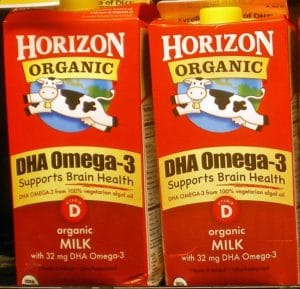
Natural claims on food labels
Natural food - Wikipedia Natural food and all-natural food are terms in food labeling and marketing with several definitions, often implying foods that are not manufactured by processing.In some countries like the United Kingdom, the term "natural" is defined and regulated; in others, such as the United States, the term natural is not enforced for food labels, although there is USDA regulation of organic labeling. Understanding Food Labels | The Nutrition Source | Harvard T.H. The FDA has approved 12 health claims on food labels such as the relationship between calcium and osteoporosis; sodium and hypertension; fiber-containing grains, fruits and vegetables and cancer; and folic acid and neural tube defects. However, just because a food contains a specific nutrient that is associated with a decreased risk of disease does not necessarily make … Claims Guidance | Food Safety and Inspection Service The purpose of this compliance guideline is to outline the documentation that establishments are required to submit in support of label applications for products that bear animal raising claims. Compliance Guideline for E. coli O157:H7 Sampled and Tested Claims for Boneless Beef Manufacturing Trimmings ("Trim")
Natural claims on food labels. Regulating health claims on food labels using nutrient profiling: what ... Objective: Proposed Australian regulation of claims on food labels includes requirements for products carrying a health claim to meet nutrient profiling criteria. This would not apply to nutrition content claims. The present study investigated the number and healthiness of products carrying claims and the impact of the proposed regulation. 13 Misleading Food Label Claims and How Not to Be Tricked - Sentient Media To use the label low-calorie in the United States, the FDA mandates that foods contain 40 calories or less per reference amount customarily consumed ( RACC ). Meals and main dishes should include 120 calories or less per 100 grams of food. 6. Label Says "Low-Carb", The FDA does not have any guidelines for the labeling of foods as low-carb. Food Litigation Trends: New and Undefined Label Claims in 2017 Pfizer Inc., Case No. 1:15-cv-02133 (E.D.N.Y. 2016) (noting the packages "clearly displayed the total pill-count on the label" and the claim "does not pass the proverbial laugh test"). The Supreme Court recently declined to take on Conagra's challenge to class certification in a suit over "natural" claims on ascertainability grounds. Natural and Organic Label Claims - Agriculture Natural and Organic label claims are used on food products to describe how they were grown, raised and/or processed. Two federal government agencies oversee the production and labeling of food in the United States to ensure that the label claims are truthful and not misleading.
Food Label Claims - Agriculture Food Label Requirements. All information on food labels must not be false or misleading. Product name/statement of identity. Net weight. Manufacturer's name, city and state. Nutrition facts (some exceptions) Ingredient list including identifying allergens. Raw meat and poultry products require a safe handling statement. Why Lawsuits Over 'Misleading' Food Labels Are Surging - The New York Times In 2018, General Mills agreed to no longer promote its Nature Valley granola bars as "made with 100 percent natural whole grain oats," bowing to plaintiffs who claimed the snack bars contained... Food Labels | Nutrition.gov Food and Drug Administration (FDA) regulates the safety of food for humans and animals, including foods produced from genetically engineered (GE) plants, sometimes referred to as "genetically modified organisms" (GMOs). Find out more about the safety of GE plants, and how they are regulated here. Food labelling for industry - Canadian Food Inspection Agency The Industry Labelling Tool is the food labelling reference for all food inspectors and stakeholders in Canada. It replaces the Guide to Food Labelling and Advertising, and the Decisions page to provide consolidated, reorganized and expanded labelling information. This tool provides information on:
Soon 'natural' and 'healthy' claims on food labels may ... - Quartz The criteria used to determine if a food qualifies for a 'natural' claim should focus primarily on whether the product's ingredients are synthetic/artificial or natural and on the degree of ... Natural Label On Food Products - LablCalc - LabelCalc In 2011, a class-action lawsuit was filed against Kelloggs' Kashi brand, which adorned their labels with claims including "all natural" and "nothing artificial." It later paid a settlement of $5 million for misleading the public with such claims—it turned out that their products contained hexane-processed soy oil (containing a ... Natural Food Claims Are Disappearing From Food and Beverage Labels ... PepsiCo. settled a lawsuit over natural label claims by its subsidiary Naked Juice by agreeing to pay out $9 million and to stop using the claim "all natural.", Datamonitor found that only 47 percent of Americans think they can trust "natural" food claim on food and beverages. Clearly, Americans are confused by natural label claims. What Does All Natural on a Food Label Mean? According to the CFIA, food products displaying a 'natural' claim, must not: contain added vitamin, mineral, nutrient, artificial flavouring agents or food additives. have any constituent removed, except the removal of water.
That's Not Natural or Organic: How Big Food Misleads ...
Which food labeling claims put you most at risk of a class action ... Find out more about the hot button issues in food litigation, from Prop 65 to natural claims at the American Conference Institute (ACI) food law conference in Chicago on April 23-24. Get the full ...

Market Growth for Natural, Clean Label Products | 2016-06-14 ...
Natural Candy Store The GLUTEN FREE symbol indicates the manufacturer claims the product is either Strict Gluten-Free OR Contains No Gluten Ingredients. Strict Gluten Free products fit into one of the following categories: Certified Gluten-Free, has a gluten-free claim printed on the packaging, has been confirmed to Natural Candy Store as gluten-free by the ...
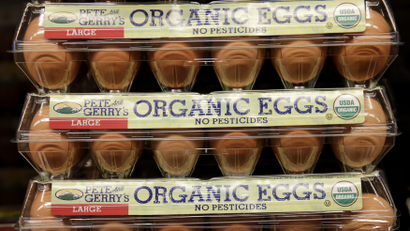
Organic, cage-free, natural: What do food labels really mean ...
What does "natural" really mean on food labels? - CBS News In a new survey of 1,000 people by the Consumer Reports National Research Center, nearly 60 percent of people said they look for the term "natural" on food labels when they shop. About two-thirds ...
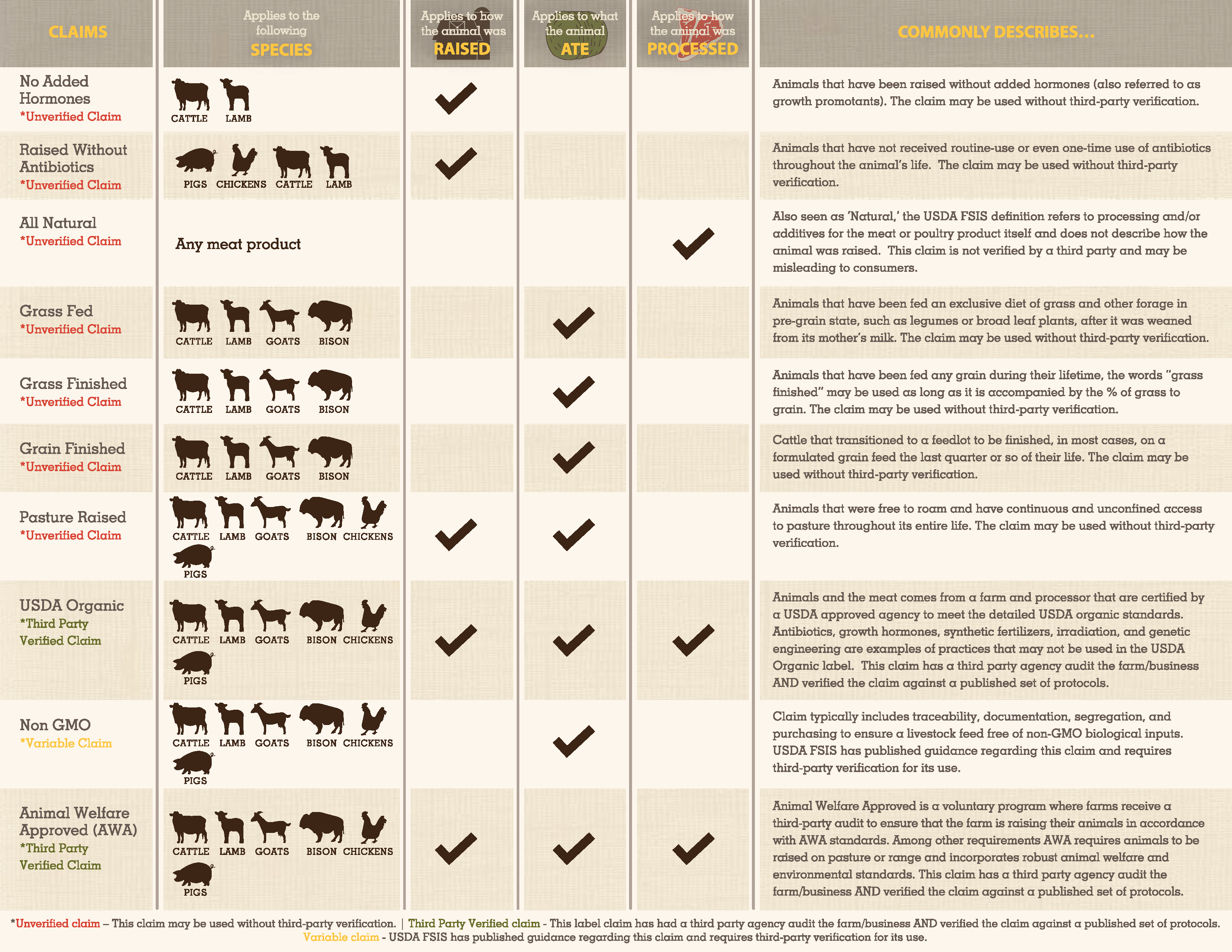
What Does an “All Natural” Label Mean? | Homegrown | NC State ...
Nutrient content claims - Canadian Food Inspection Agency Environment and natural resources; National security and defence ; Culture, history and sport; Policing, justice and emergencies; Transport and infrastructure; Canada and the world; Money and finances; Science and innovation; You are here: Canada.ca; Canadian Food Inspection Agency; Food labels; Labelling; Industry ; Nutrient content claims On this page. Steps for …

FDA seeks comments on use of the term 'natural' on food labels
Food Label Claims - Farmer Focus This "All Natural" claim is not only a misleading claim for meat products, but for all food products. Synthetic fertilizers, pesticides, and genetically modified plants are still considered "All Natural". Look for the USDA Organic, non-GMO, or certified naturally grown labels if you're trying to stay closer to nature.
Sorting Food Facts and Myths - Do Foods Labeled as "Natural ...
GMO vs. Organic | Key Differences Between Food Labels | Chomps 29.10.2018 · Note: If a label says "natural" it does not mean it's organic. The natural label is not regulated in America which can be very deceiving. If you are looking for organic foods, make sure you are looking for the "organic" label. Warning: Some …
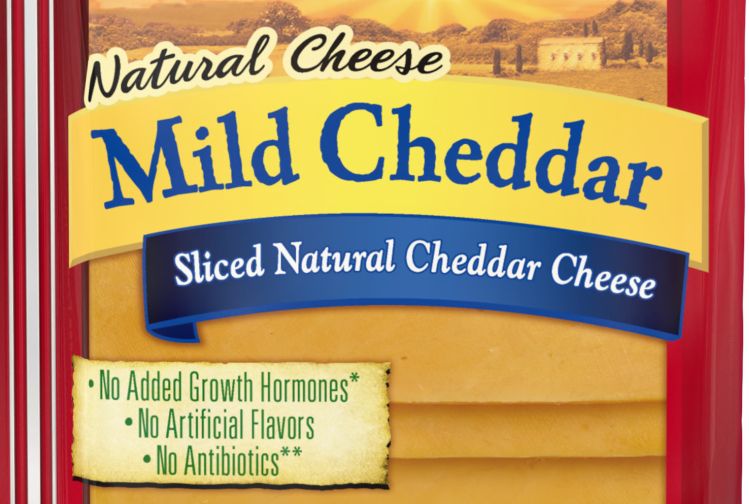
Sargento lawsuits shine a light on 'no antibiotics' claims on ...
FDA "Natural" Food Labeling | FDA Compliance Made Easy On November 12, the U.S. Food & Drug Administration ("FDA") announced that it is soliciting public comments on how the Agency should define the term "natural" and regulate its use in food labeling. The FDA has engaged the public's input after receiving two Citizen Petitions requesting the agency take action on establishing a formal ...
Americans don't trust food and CSG labels—yet few research ...
Legal Guide to Health Claims on Food | Law@Dayton Food manufacturers with at least $10 million in annual sales must have switched to the new label by January 1, 2020, while manufacturers that sell less than $10 million annually had until January 1, 2021, to bring their labels into compliance.

Expected, but now confirmed: Consumers will pay more for food ...
Health Claims on Food Labels - Consumer Reports For example, organic foods may not be produced with most synthetic pesticides or with all artificial flavors or colors, antibiotics, or growth hormones. Natural has only one regulated...

2014: Fat free and 100 per cent natural: seven food labelling ...
Use of the Term Natural on Food Labeling | FDA The FDA has considered the term "natural" to mean that nothing artificial or synthetic (including all color additives regardless of source) has been included in, or has been added to, a food that...
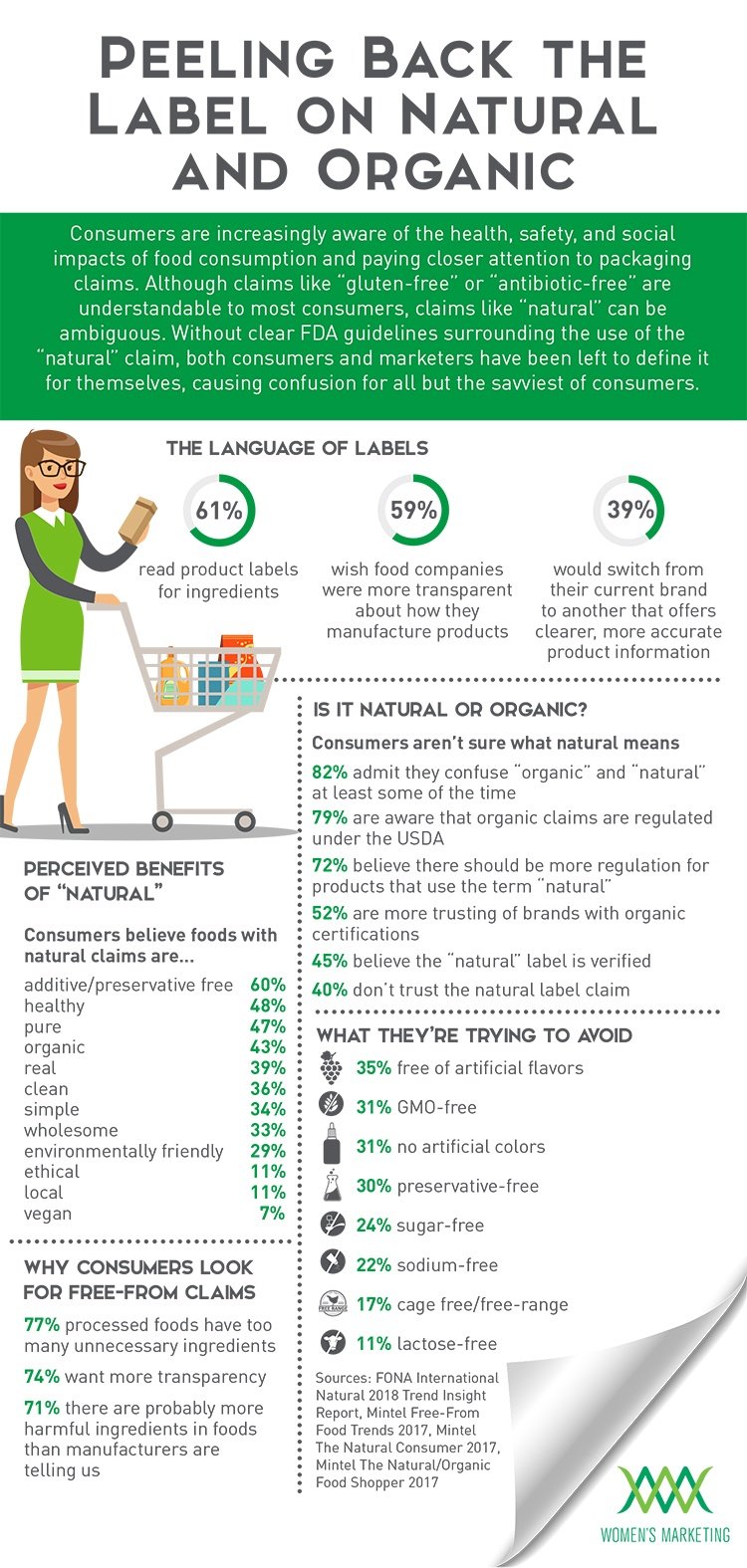
Infographic: Consumers Confused by Natural Food and Beverage ...
In Pictures: 29 Foods With “Health Claims” That Are Deceiving … 26.04.2013 · A. It’s a little scary that food companies can put deceptive labels on foods we already know are unhealthy. I’ve first-hand see people say “oh, look, it’s all natural!” and then never question the food from then on out.-Agreed. B. The whole “all natural thing.” People think if a label says it’s natural, it’s fine to eat. Well ...
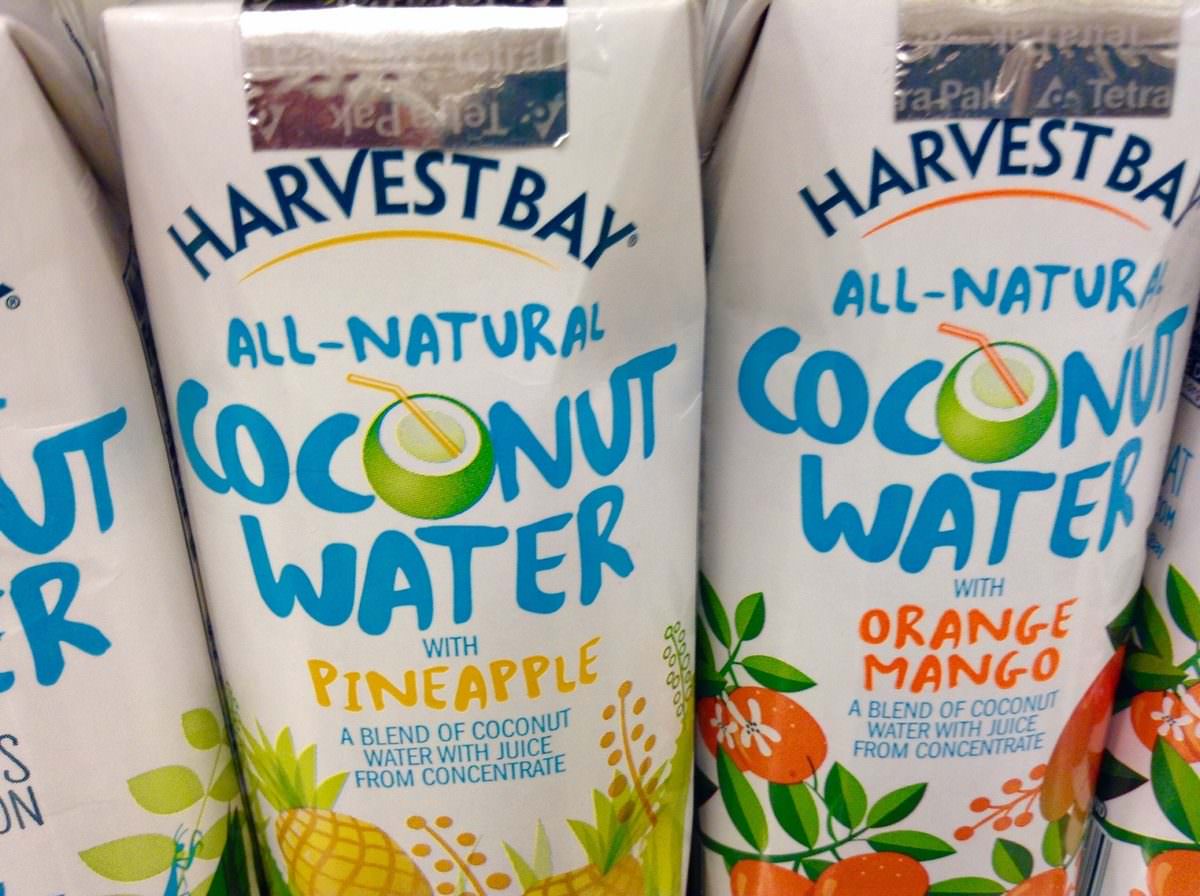
Meaningless "All Natural" Label Changes Expectations For ...
Use of the Term "Natural" in the Labeling of Human Food Products ... The definition of "natural claims" in the FSIS's Food Standards and Labeling Policy Book, in relevant part, states that the term "natural" may be used on labeling for meat products and poultry products if the applicant for such labeling demonstrates that: (1) The product does not contain any artificial flavor or flavoring, coloring ingredient, c...
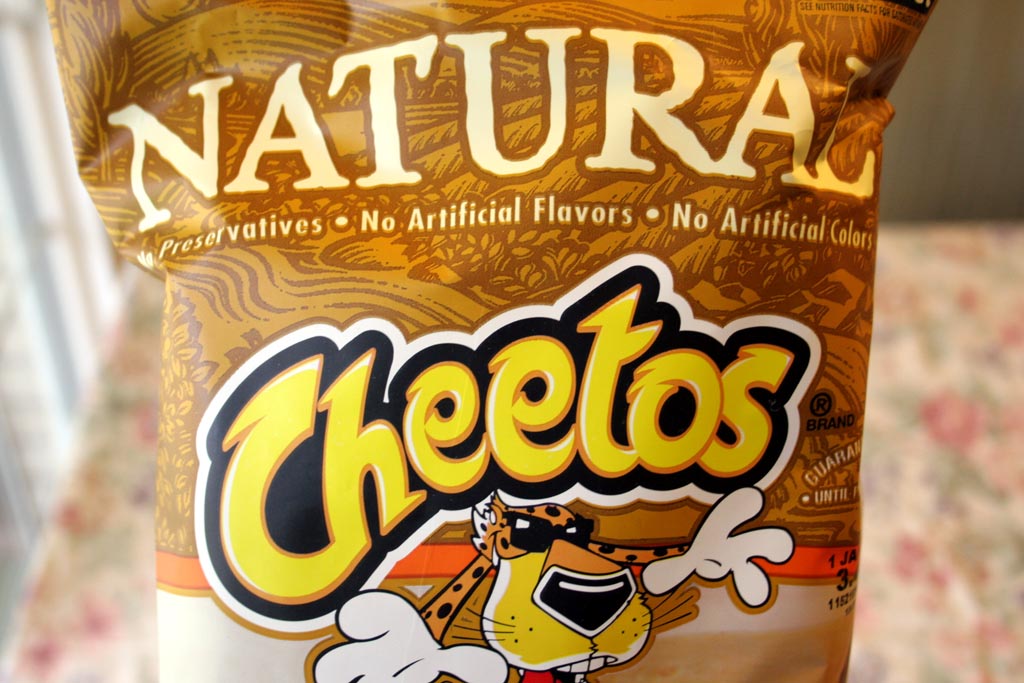
WHAT DOES "ALL-NATURAL" REALLY MEAN ON FOOD LABELS? — The ...
Six Meaningless Claims on Food Labels - The New York Times Today's "Consumer Ally" column on AOL's WalletPop site explores misleading food-label lingo, noting that some commonly used phrases have "almost no meaning.". Empty claims like "Made with Natural Goodness," "Kid Approved" and "Doctor Recommended" have become as common as those with legal definitions. Today, even ...
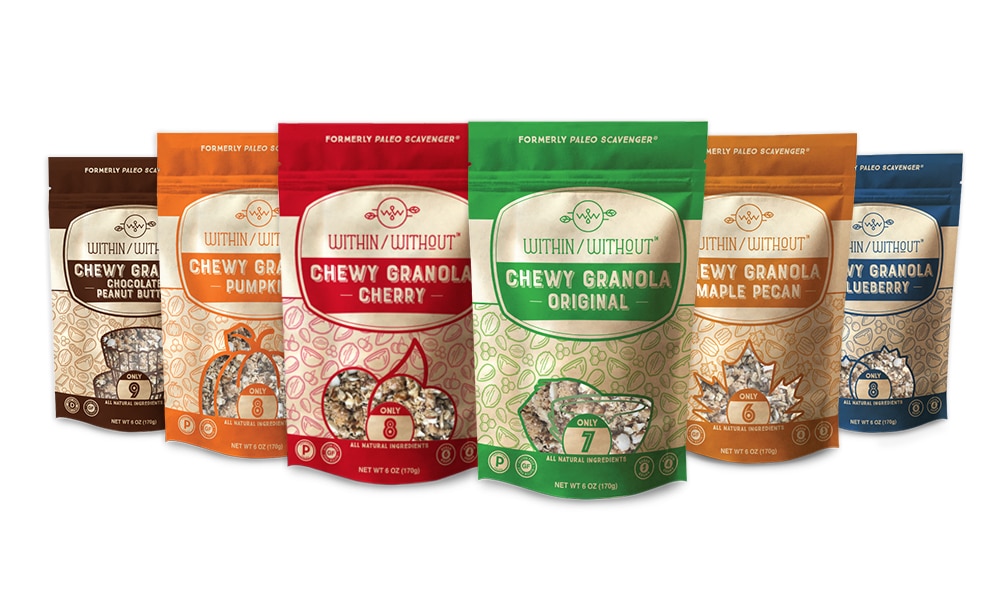
Functional & Structural Claims - LabelCalc
Natural - Consumer Reports Overview: CR surveys show that most consumers think that the claim "natural" on a food package should mean that the product contains no artificial ingredients, that it was produced without...
Nutrition Claims On Food Packaging | What Do They Mean ...
Defining "Natural": Class Actions against Food Labels Malted barley flour is a synthetic food additive that prolongs the shelf life of baked goods, lawsuits claim. It has been alleged that malted barley flour is unnatural because it is most likely derived from American-grown corn, nearly all of which has been genetically modified.

Some Food Companies Ditch 'Natural' Label - WSJ
Dye-Free - Natural Candy Store The GLUTEN FREE symbol indicates the manufacturer claims the product is either Strict Gluten-Free OR Contains No Gluten Ingredients. Strict Gluten Free products fit into one of the following categories: Certified Gluten-Free, has a gluten-free claim printed on the packaging, has been confirmed to Natural Candy Store as gluten-free by the ...
:max_bytes(150000):strip_icc()/juicy-juice-no-sugar-400x400-b1fb04c46e9e4c8392ce8881614c021a.jpg)
Misleading Nutrition and Food Labels
Label Claims for Food & Dietary Supplements | FDA 07.03.2022 · Among the claims that can be used on food and dietary supplement labels are three categories of claims that are defined by statute and/or FDA regulations: health claims, nutrient content claims ...

Kind bars wants the FDA to change how it regulates food labels
Method of production claims on food labels - Canadian Food Inspection ... Companies may partially adhere to the guidance on natural claims, which may include modifying the criteria, provided they substantiate any deviation. For example: a food may be fortified with vitamins or contain an ingredient or additive that has been sourced from a plant or animal and/or derived from minimum processes.
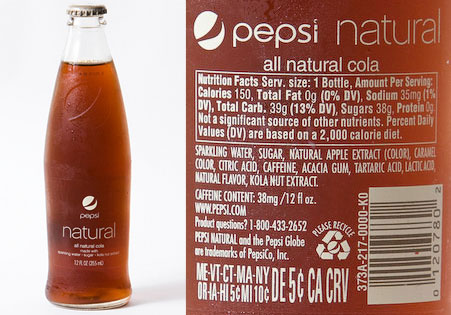
Ask a Food Lawyer: What does “natural” mean on food labels ...
Claims Guidance | Food Safety and Inspection Service The purpose of this compliance guideline is to outline the documentation that establishments are required to submit in support of label applications for products that bear animal raising claims. Compliance Guideline for E. coli O157:H7 Sampled and Tested Claims for Boneless Beef Manufacturing Trimmings ("Trim")
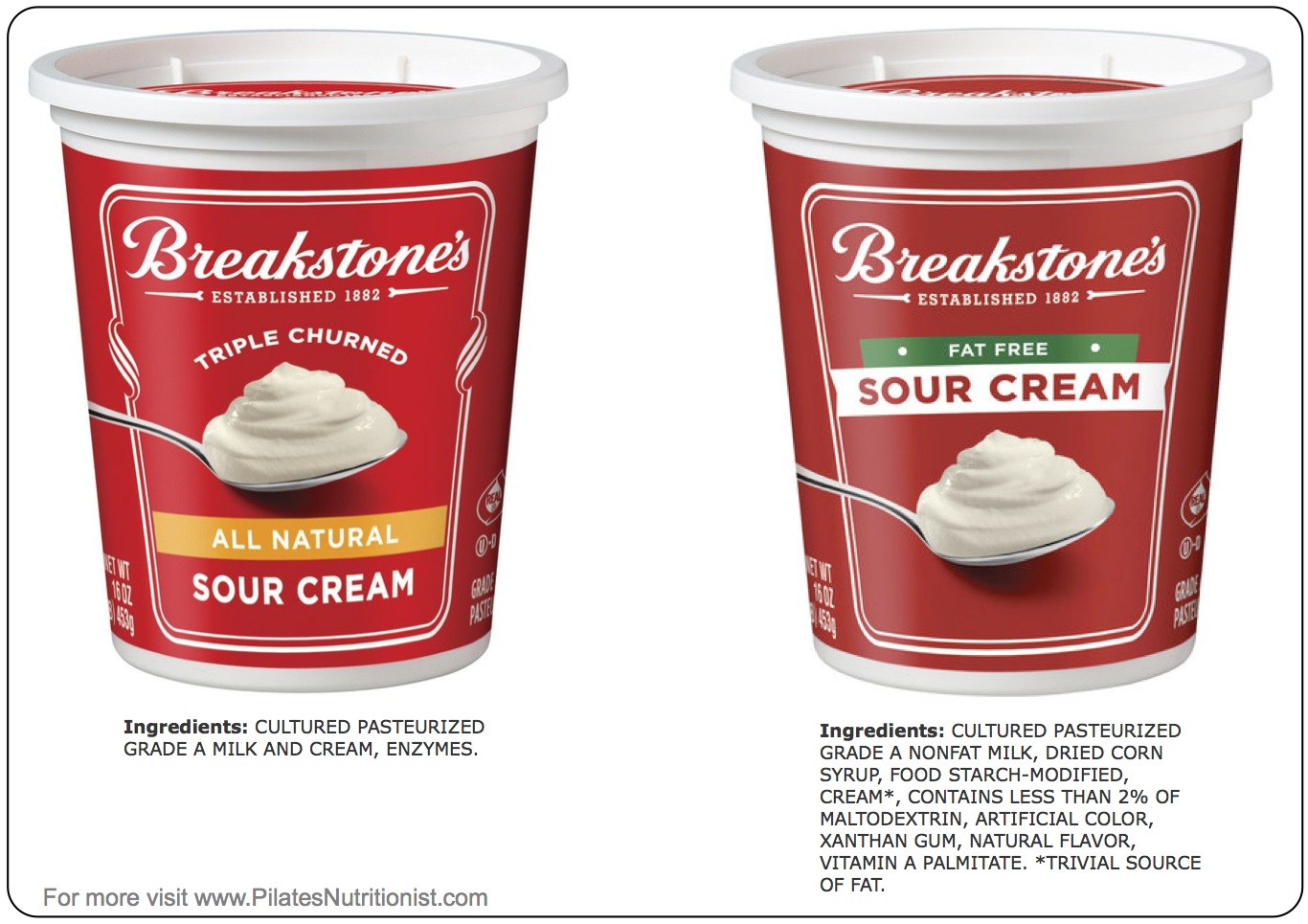
Food Label Claims That Mean Nothing (Part 2): "Fat Free ...
Understanding Food Labels | The Nutrition Source | Harvard T.H. The FDA has approved 12 health claims on food labels such as the relationship between calcium and osteoporosis; sodium and hypertension; fiber-containing grains, fruits and vegetables and cancer; and folic acid and neural tube defects. However, just because a food contains a specific nutrient that is associated with a decreased risk of disease does not necessarily make …

What Is 'Natural' Food? A Riddle Wrapped In Notions Of Good ...
Natural food - Wikipedia Natural food and all-natural food are terms in food labeling and marketing with several definitions, often implying foods that are not manufactured by processing.In some countries like the United Kingdom, the term "natural" is defined and regulated; in others, such as the United States, the term natural is not enforced for food labels, although there is USDA regulation of organic labeling.

Frito-Lay hit with lawsuit on all-natural claims

Reading Food Labels: Natural vs. Organic
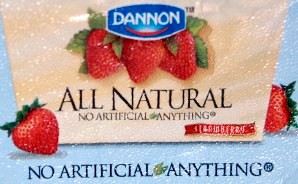
Food Labels -- Nutrition information and misinformation (Page ...
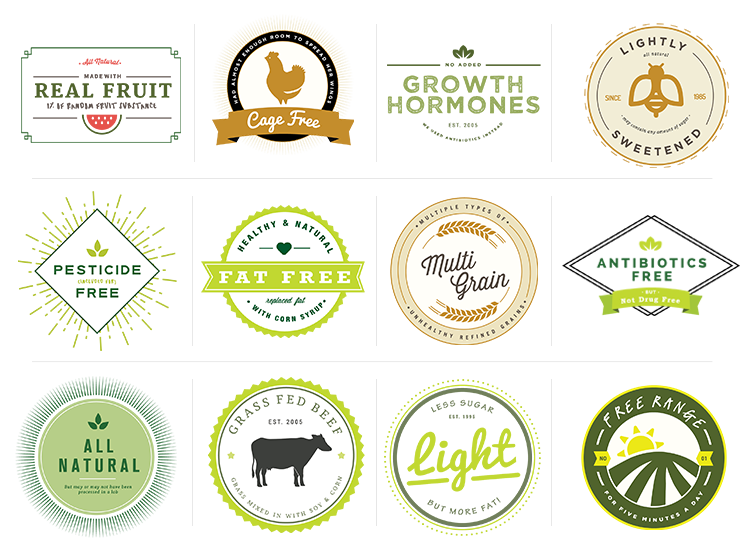
What Food Labels Should Really Say (if they were being honest ...

Know your Food Labels: Don't be Fooled by Buzzwords - Vibrant ...
How clean is your label? And can GMOs belong in 'natural ...
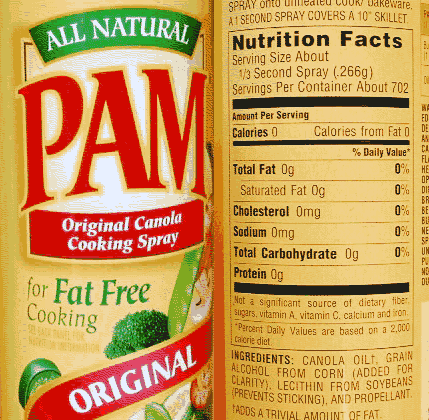
Food Labels -- Nutrition information and misinformation (Page ...

Label Reading 101: How To Make Sense of Organic/Natural/Free ...

Are food labels making misleading nutrition claims?

What do labels really mean? Organic, Natural, Cage-Free ...
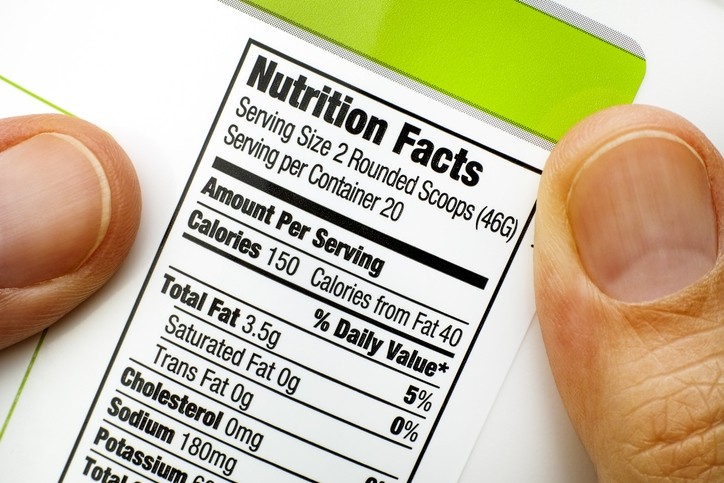
IFIC: Americans are paying more attention to ingredients ...
What's a 'natural' food? Lawsuits mount as FDA lags on ...
Labels are Misleading | Food Crisis in the United States
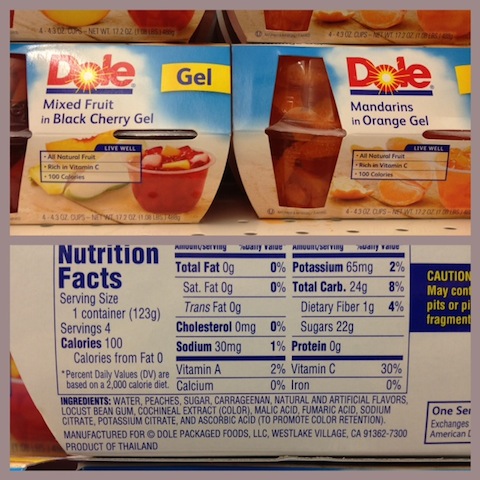
In Pictures: 29 Foods With "Health Claims" That Are Deceiving ...

4 Health Claims on Food Packaging That Mean Almost Nothing ...

'Natural,' other food labels that may not be legitimate | CNN

Food Label Health Claims Primer | Cooking Light
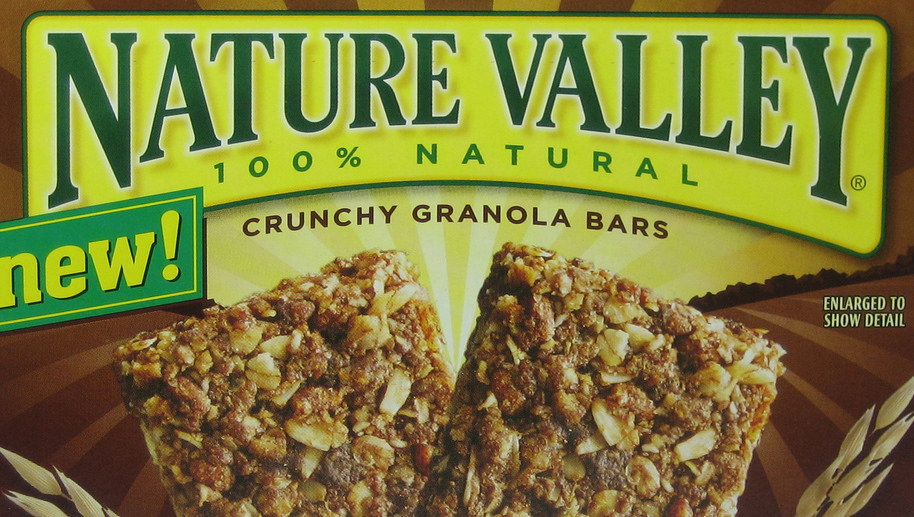
Is the 'natural' label 100 percent misleading? | Grist
5 Misleading Food Label Claims That Imply Healthy but May Be ...
Food Labeling Chaos
/cdn.vox-cdn.com/uploads/chorus_image/image/34604857/3723711696_3be396a802_o.0.jpg)
All-natural" labels on food are meaningless. Let's get rid of ...
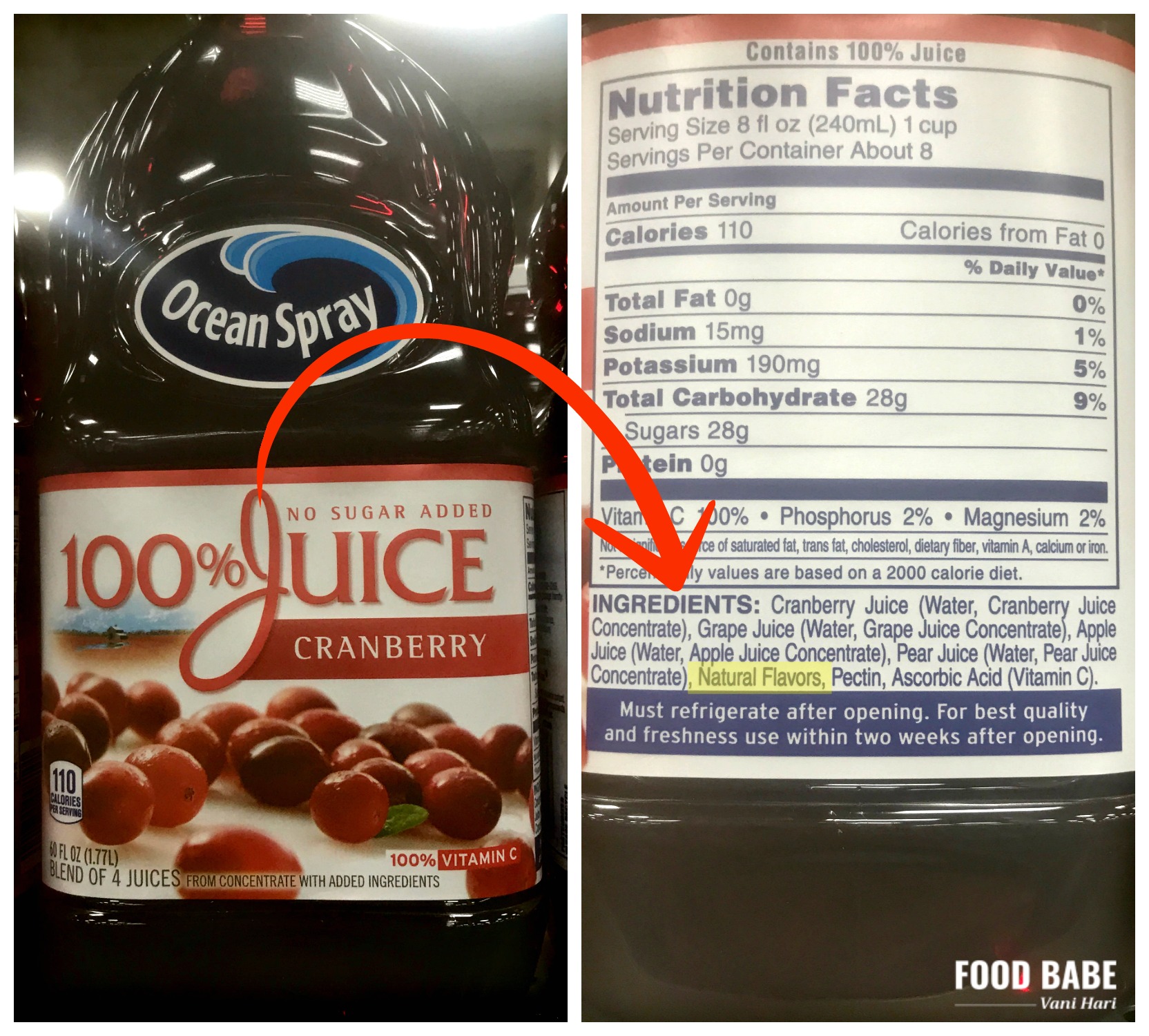
Food Labels Are LYING To You. Spot These Lies On The Package!
Post a Comment for "43 natural claims on food labels"