38 reading food labels cholesterol
Food Labels: Fat & Cholesterol | Home & Garden Information Center The 2015 Dietary Guidelines for Americans recommends the following intakes of fat and cholesterol every day: total fat—20 to 35% of calories, depending on age and gender (65 grams for the 2,000-calorie intake level used in the Daily Value)* saturated fat—less than 10% of calories** trans fat— keep as low as possible Quick Tips for Reading the Nutrition Facts Label - Food and Drug ... Cholesterol 0mg Sodium 160mg Total Carbohydrate 37g Dietary Fiber 4g ... Quick Tips for Reading the Nutrition Facts Label The Nutrition Facts Label Tip Card NFL10 | 2020.
How to Understand and Use the Nutrition Facts Label | FDA Dietary fiber, vitamin D, calcium, iron ad potassium are nutrients on the label that Americans generally do not get the recommended amount of. They are identified as nutrients to get more of....

Reading food labels cholesterol
How to read food labels: MedlinePlus Medical Encyclopedia If a label says that a food has 100 mg of sodium, this means it has about 250 mg of salt. You should eat no more than 2,300 mg of sodium per day. This is the amount of sodium that is in 1 measuring teaspoon of table salt. Ask your health care provider if you should have even less. The % daily value is included on the label as a guide. PDF How do I read food labels? - American Heart Association read the Nutrition Facts labels on the foods you purchase. Compare the nutrients and calories in one food to those in another. The information may surprise you. Make sure you ... • Cholesterol — is found in foods that come from animals, such as meats, poultry, seafood, eggs and full-fat dairy products. The FDA's Dietary Guidelines Reading food labels: Tips if you have diabetes - Mayo Clinic Look for foods with fats, cholesterol and sodium on the low end of the Daily Value; keep fiber, vitamins and minerals on the high end. If your doctor or registered dietitian recommends more or less than 2,000 calories a day, you may need to adjust the percentage accordingly — or simply use the percentage as a general frame of reference.
Reading food labels cholesterol. How to read food labels - Heart Foundation NZ The star rating is calculated using an algorithm that takes into consideration a number of positive and negative nutrients for a particular food. The positive elements include protein, fibre, fruit, vegetable, nut, seed and legume content. The negative elements include energy, sodium, saturated fat, and sugar. PDF How to Read the Food Label - University of California, Santa Cruz such as meats, poultry, fish, eggs, and dairy. Try to keep your cholesterol intake to less than 300 milligrams (mg) per day. A low-cholesterol food has less than 20 mg per serving. Sodium Too much sodium (salt) may raise your blood pressure. Less than 2,300 mg of sodium each day is recommended. A low-sodium food has 140 mg or less in one serving. How to Read Food Labels : Food Network | Food Network The percent of the Daily Value that is listed on the upper portion of the food label is yet another way to gauge how much saturated fat and cholesterol are in the foods that you buy and eat. If a... How to Read the Nutrition Facts Label on Packaged Foods - WebMD Limit salt to 2,300 milligrams (about 1 teaspoon) daily. If you have high blood pressure, kidney disease, or diabetes, or are African-American or older than 51, your daily limit is lower: 1,500...
How to Read Nutrition Labels: Fat Content, Carbs & What To ... - HighKey They can be labeled as 0 grams if they contain less than 0.5 grams per serving, but another clue that a product is made with trans fats, is if the ingredient list includes "partially hydrogenated oil." Cholesterol Cholesterol is a fatty like substance which comes from animal foods only. How to Read the New Food Label The percent daily value (%DV) can be used as a quick guide to the food label. Try the 5/20 rule when reading a label. Think about 5% or less as low for any nutrient and 20% or more is high for any nutrient. The %DV is a great way to compare food products if the serving size is the same. Fiber is the nutrient on the label that you want to aim ... Reading Food Labels - The Queen's Health System Reading Food Labels. The traditional Hawaiian diet may have been "one of the best in the world.". It was a simple, high starch, high fiber, low saturated fat, low cholesterol, and LOW in SALT. - George Kanahele. While salt is an essential nutrient for all bodily functions, we often eat excess amounts of salt. Knowing how to read food ... PDF 2.2 Reading Nutrition Labels Handout - Michigan State University Here are some things you can learn by reading the nutrition label carefully: What are the main organic molecules in cells? Large organic molecules, including carbohydrates, proteins, and fats, ... • Cholesterol, sodium, vitamins, and minerals: less that 1 g or 1% of the mass • Carbohydrates (sugar, starch, fiber): 10 g or 10% of the mass
Reading Food Labels | Saint Luke's Health System Reading Food Labels. Look for the Nutrition Facts label on packaged foods. Reading labels is a big step toward eating healthier. The tips below help you know what to look for. ... But many foods high in cholesterol are also high in saturated fat. So it is recommended to limit saturated fat in your diet. Calories from fat. PDF A Guide to Reading Food Labels - University of Rochester Food Labels Reading food labels can help you make wise food choices. Most foods list nutrition information on the package label, called Nutrition Facts. ... They may raise your blood cholesterol level, which can increase your risk of heart disease. Choose foods containing less than 10% of calories from saturated fat. How to Read Food Labels Without Being Tricked - Healthline This label says very little about whether a product is healthy. For example, organic sugar is still sugar. No added sugar. Some products are naturally high in sugar. The fact that they don't have... Reading Food Labels - Cardiovascular Interventions Orlando Extra Lean - less than 5 g fat, less than 2 g saturated fat, and less than 95 mg cholesterol per serving for every 100 g of product. Good source - this means that one serving has 10 to 19 percent of the RDA for a particular nutrient. High - used when food contains 20% or more of the RDA for a nutrient in one serving.
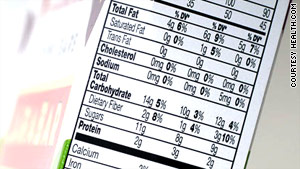
10 surprising facts about cholesterol - CNN.com
Easy Guide to Understanding Food Labels When You Have High Cholesterol ... This means that your food may contain trans-fat even if the food label says 0 gram. Therefore it's important to check the ingredient list (more on this later). Cholesterol guidelines currently recommend having not more than 300 milligrams of cholesterol per day, and if you have heart disease, aim for less than 200 milligrams per day. 2.

Reading Food Labels - Mariposa Naturals
How To Read Food Labels - 10 Tips - Pritikin Weight Loss Resort Here are the basics for how to read food labels, consolidated into 10 quick-reference tips, compliments of Kimberly Gomer, Director of Nutrition at the Pritikin Longevity Center in Miami, Florida. These 10 tips are all about helping you shed excess weight, take good care of your heart, and live well. 1.
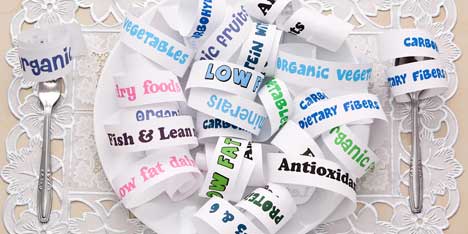
WestHollywoodTrainer.com: Reading Food Labels
Reading Food Labels - Women's Heart Foods with soluble fiber can help to lower blood cholesterol. Aim for 25-30 grams of fiber a day, 1/4 of which should consist of soluble fiber and 3/4 from insoluble fiber. Soluble fiber is found primarily in oats, beans, fruits and vegetables. Read the food label for content of both soluble and insoluble fiber.

How To Read A Food Label Handout
How To Read Nutrition Labels - Mayo Clinic Diet Aim for low in saturated fat, trans fat, cholesterol, sodium, and added sugars. High is 20% or more. Aim high in vitamins, minerals and dietary fiber. 4. Check the ingredients Ingredients are listed by volume. The higher up on the list an ingredient is, the more of it the product contains. Make sure sugar isn't one of the first ingredients listed.

32 Cholesterol Food Label - Best Labels Ideas 2020
How to Tell if Foods Are Low or High Cholesterol - Verywell Health Each food label should include milligrams (mg) of cholesterol per serving. Don't forget to look at the serving size as well. Sometimes products can seem low in cholesterol, but if you eat more than the recommended servings at one sitting, then you can end up consuming a lot more cholesterol than you intended.

Nutrition facts label, Reading food labels, Nutrition labels
How to Read Food Labels for a Heart-Healthy Diet Partially hydrogenated oil Omega-3 fatty acid Olive oil Butter What's important to know about the first ingredient listed on a label? It's the healthiest. It's in the largest quantity. It's first due to alphabetical order. What words should I look out for that mean sugar? High-fructose corn syrup Agave nectar Dehydrated cane juice All of the above

5 Mistakes of Label Reading – Food and Health Communications
Reading and Understanding Food Labels and Nutrition Info - Beaumont Health A one-percent reduction of saturated fat in your diet reduces your heart disease risk by three percent. Keep saturated fat to less then 15 grams per day. It is not required to list unsaturated fats (polyunsaturated and monounsaturated) on food labels. In general, unsaturated fats lower cholesterol. The healthiest unsaturated fat is canola oil.
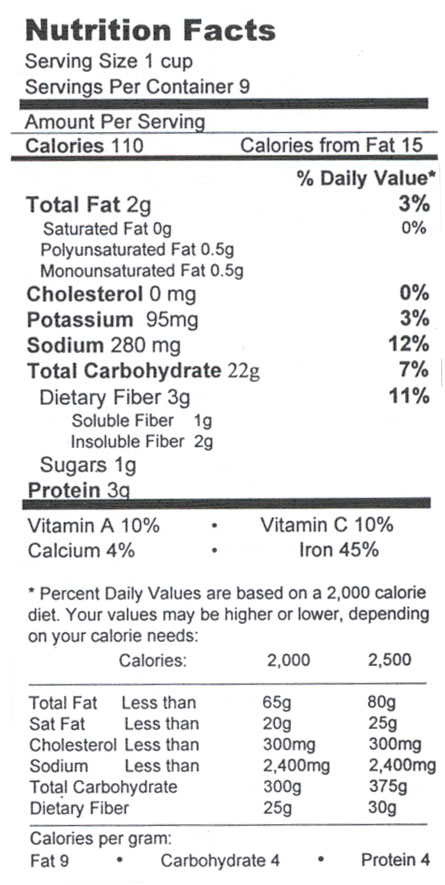
Reading Food Labels
Reading Food Labels | ADA - American Diabetes Association The Nutrition Facts labels on foods are really the key to making the best choices. We'll cover the basics so that these labels make shopping easier for you. You've heard it all. From carb-free to low-carb, to whole and empty carbs, it's hard to know what it all means. Blood sugar highs and lows aren't always easy to understand.

How to Read a Nutrition Facts Label—and Make Better Food Choices
How to read food labels | healthdirect Saturated fats are linked to an increased risk of heart disease and high blood cholesterol, so it is especially important to choose foods low in saturated fat. Carbohydrate (total): Carbohydrates are found in all fruit and vegetables, all breads and grain products, and sugar and sugary foods. You need carbohydrates for energy. Click to open PDF.

How to Read Food Labels + Nutrition Facts • Healthy.Happy.Smart.
Understanding Food Nutrition Labels | American Heart Association 1 - Start with the serving information at the top. This will tell you the size of a single serving and the total number of servings per container (package). 2 - Next, check total calories per serving and container. Pay attention to the calories per serving and how many calories you're really consuming if you eat the whole package.

25 New Food Label Changes ideas | food labels, labels, nutrition labels
Reading food labels: Tips if you have diabetes - Mayo Clinic Look for foods with fats, cholesterol and sodium on the low end of the Daily Value; keep fiber, vitamins and minerals on the high end. If your doctor or registered dietitian recommends more or less than 2,000 calories a day, you may need to adjust the percentage accordingly — or simply use the percentage as a general frame of reference.
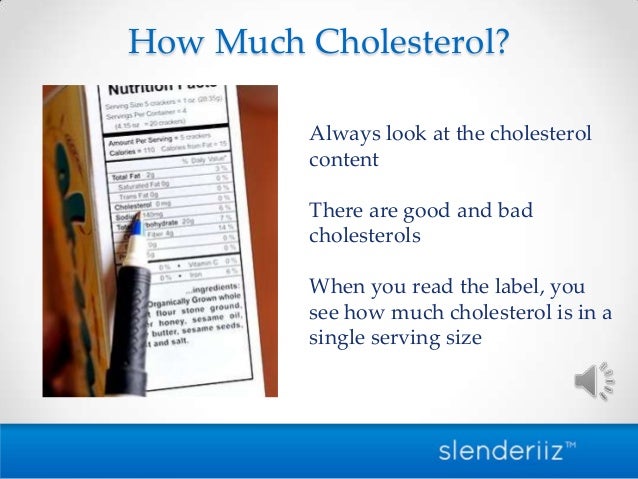
The Art and Science of Reading Food Labels
PDF How do I read food labels? - American Heart Association read the Nutrition Facts labels on the foods you purchase. Compare the nutrients and calories in one food to those in another. The information may surprise you. Make sure you ... • Cholesterol — is found in foods that come from animals, such as meats, poultry, seafood, eggs and full-fat dairy products. The FDA's Dietary Guidelines

Free Reading Food Labels Worksheet
How to read food labels: MedlinePlus Medical Encyclopedia If a label says that a food has 100 mg of sodium, this means it has about 250 mg of salt. You should eat no more than 2,300 mg of sodium per day. This is the amount of sodium that is in 1 measuring teaspoon of table salt. Ask your health care provider if you should have even less. The % daily value is included on the label as a guide.

Lower cholesterol and improve your heart health on a budget
6 Steps to Reading Food Label
Post a Comment for "38 reading food labels cholesterol"